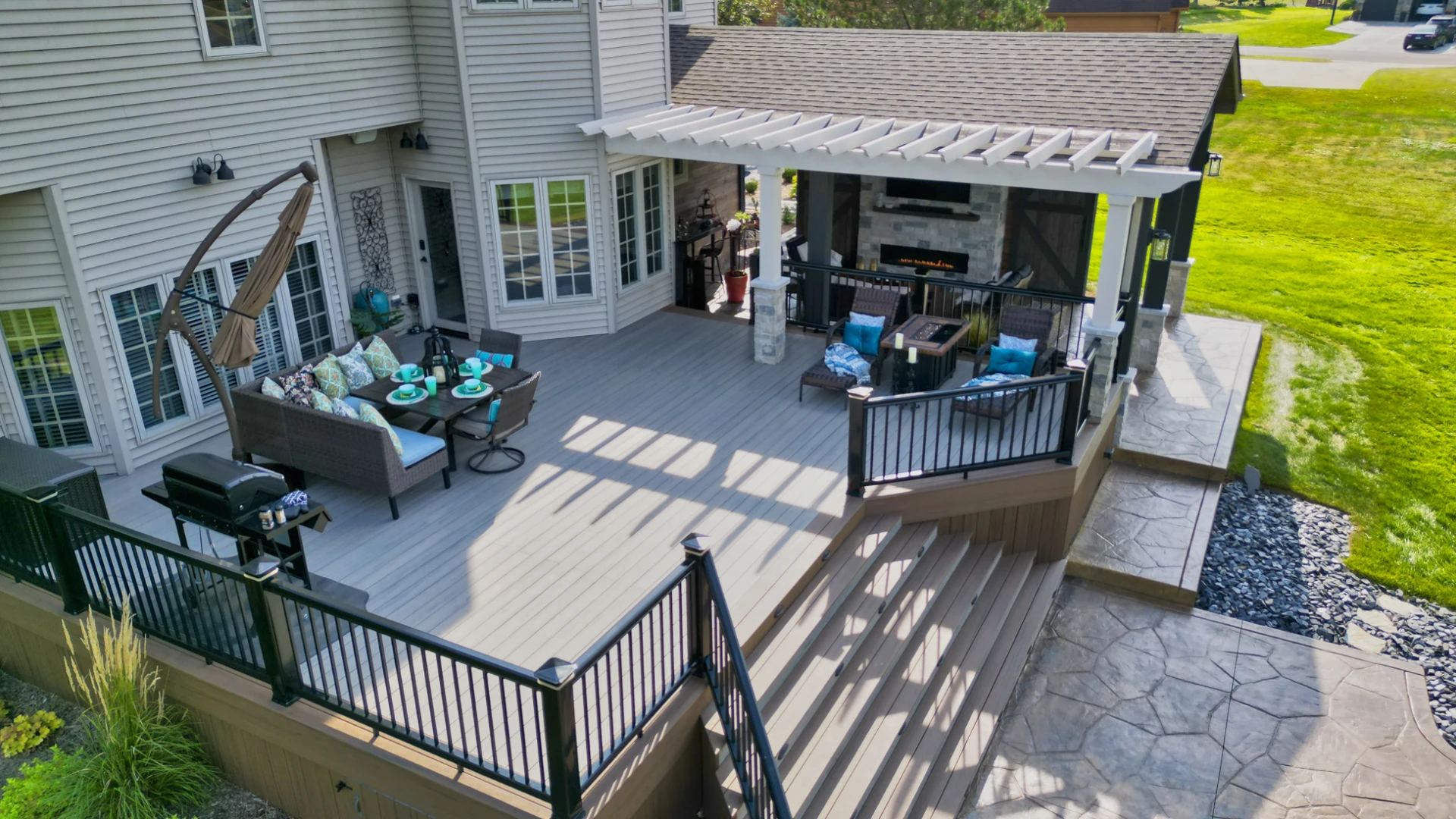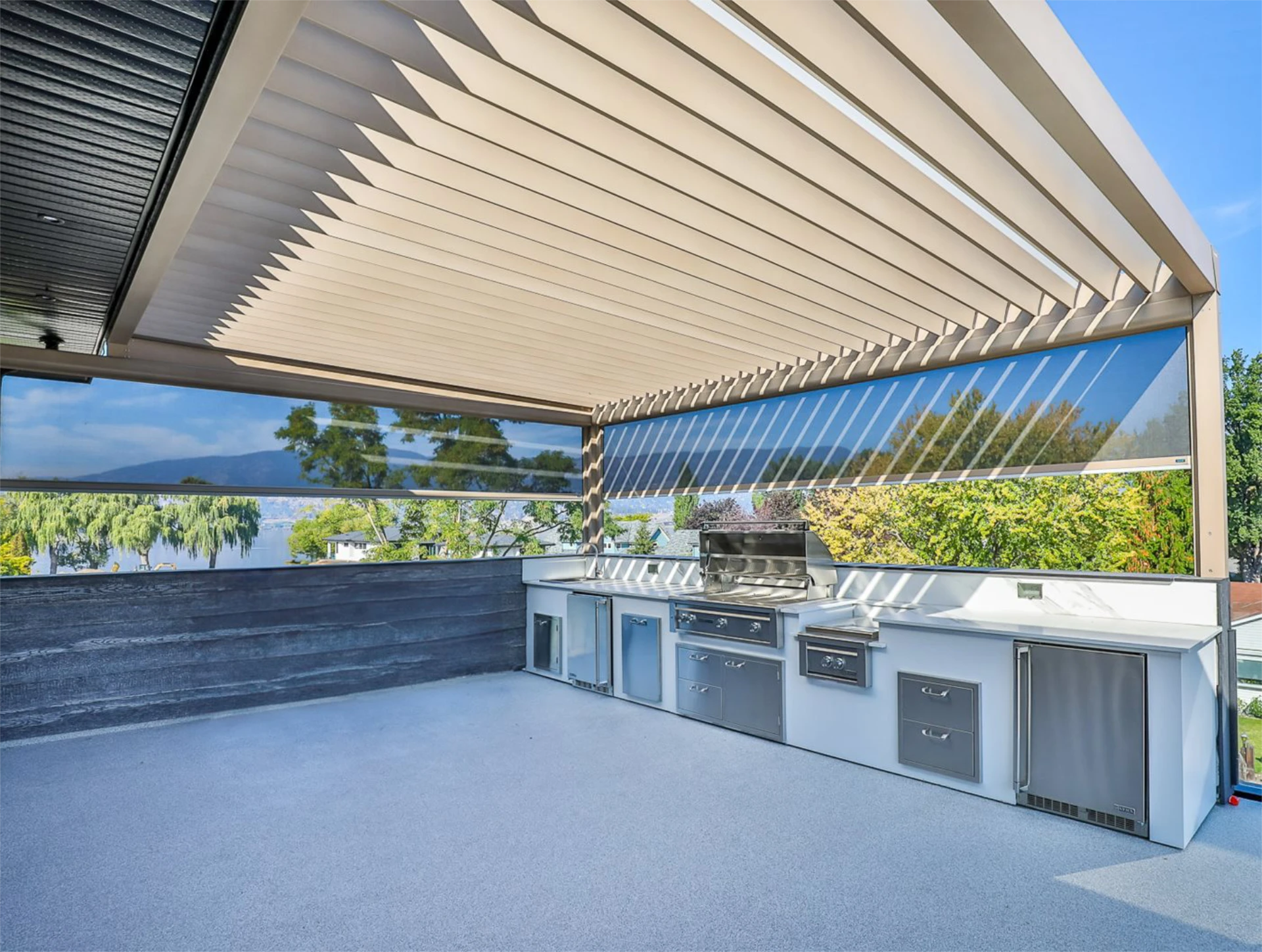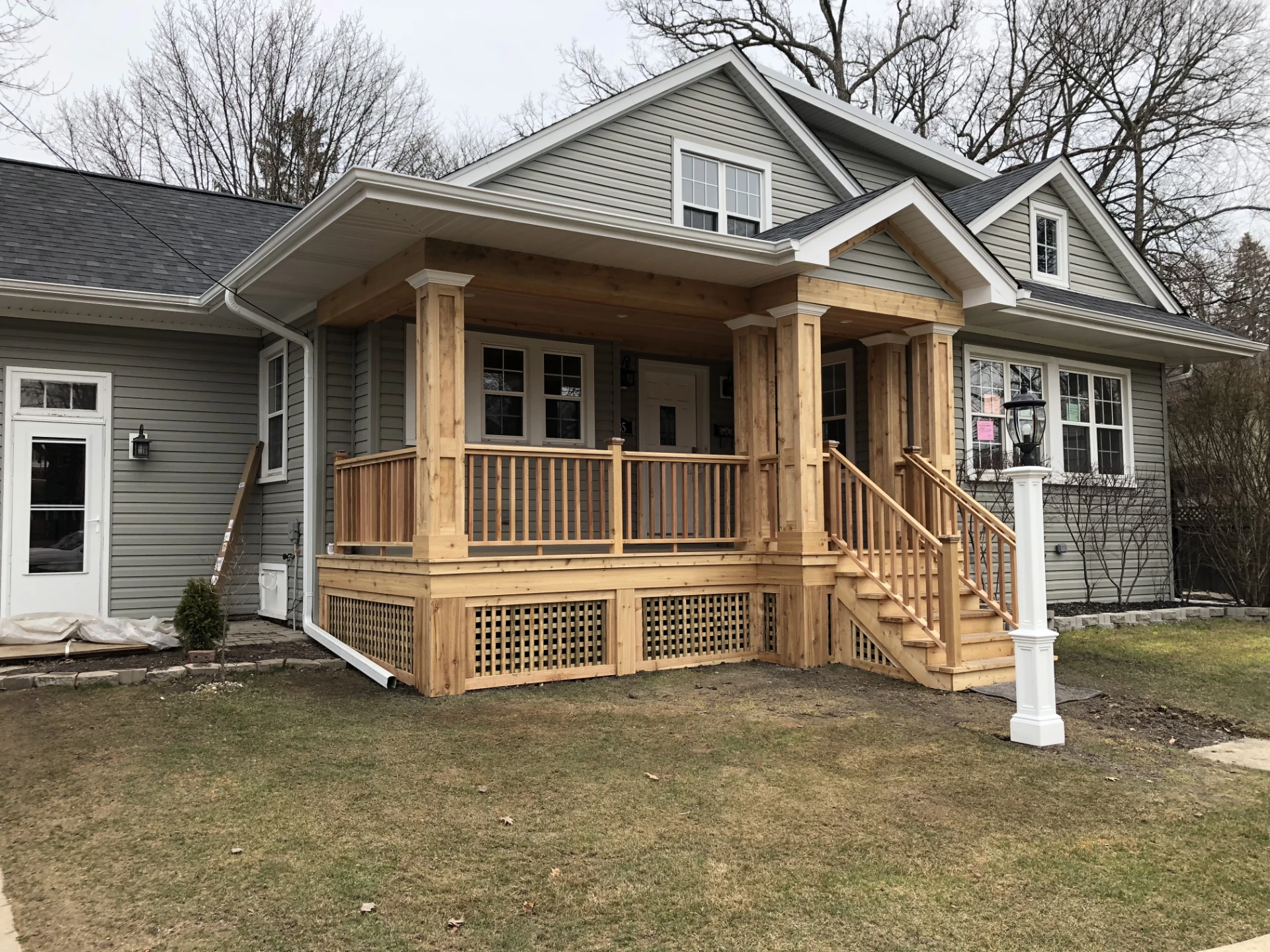


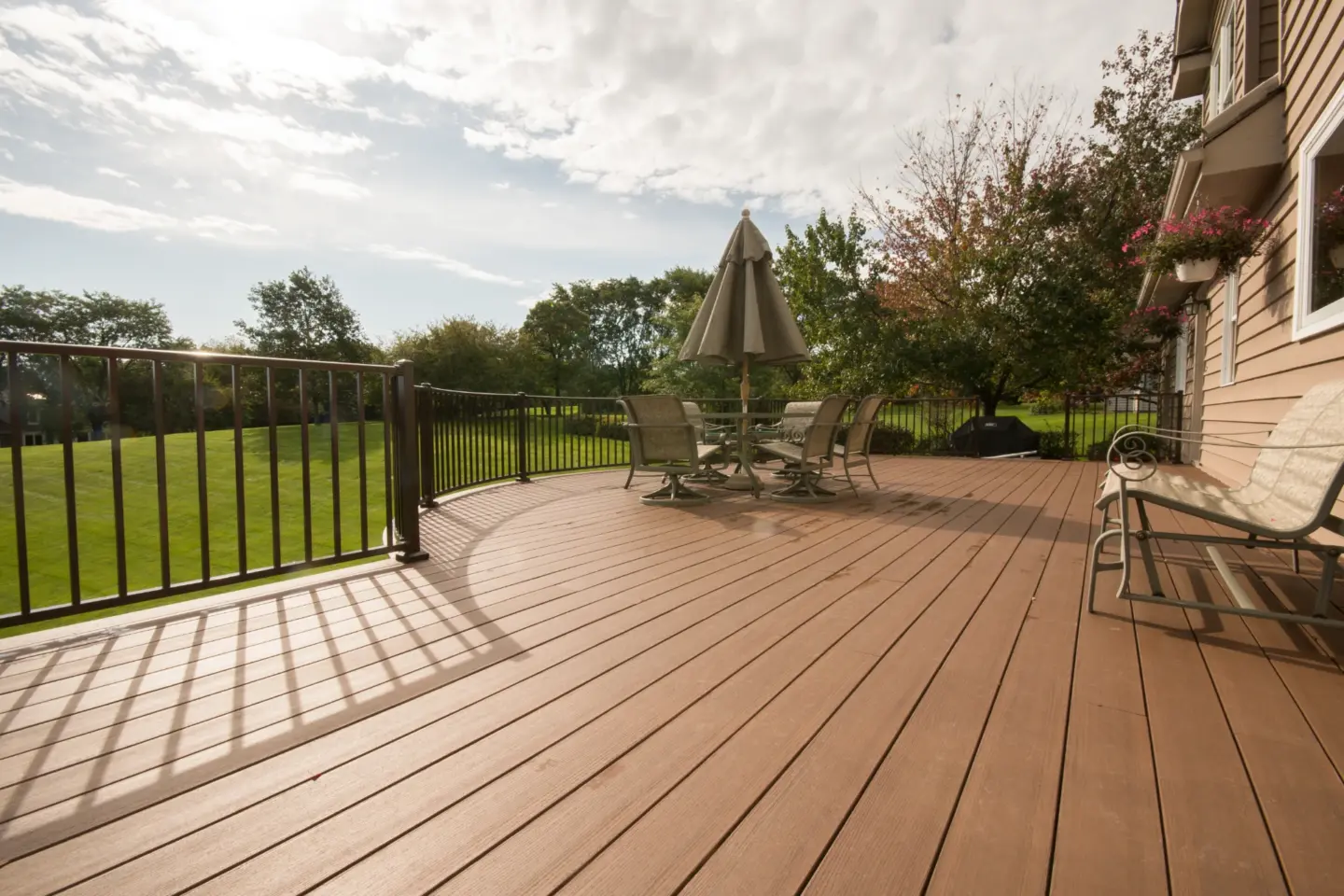
The framing underneath your deck carries all the weight, handles all the stress, and takes on all the moisture that the surface above never shows. Most homeowners focus on decking materials and railing styles, but deck framing determines how long the entire structure lasts and how well it performs.
Aluminum deck framing has become a top choice for homeowners who want a structure that outlasts traditional lumber. Here is why.
It Does Not Rot
Wood deck framing absorbs moisture over time. In the Chicago area, where humidity, rain, and snowmelt keep outdoor structures wet for months, that moisture leads to rot. Rotted joists and beams weaken silently underneath a deck that still looks fine on the surface.
Aluminum deck framing eliminates this problem entirely. It does not absorb water. Rain, snow, and humidity have no effect on its structural integrity. The framing stays solid year after year without any of the decay that shortens the life of wood.
Insects Cannot Damage It
Termites and carpenter ants target wood deck framing, especially in damp or shaded areas. The damage happens inside the wood, so it often goes unnoticed until the framing has already been compromised.
Aluminum deck framing is not a food source for any insect. It provides complete protection against the biological threats that eat through wood over time.
It Handles Freeze-Thaw Cycles
Chicago’s winters put deck framing through repeated freeze-thaw cycles. Water gets into wood, freezes, expands, and cracks the fiber from the inside. Over 10 to 15 years, this cycle weakens wood framing significantly.
Aluminum deck framing does not absorb water, so there is nothing inside to freeze and expand. It maintains its structural performance through every winter without cracking, splitting, or warping.
It Matches the Lifespan of Composite Decking
Composite and PVC decking products last 25 to 50 years. But if the deck framing underneath fails after 15 years, the entire structure needs rebuilding even though the surface boards are still in good condition.
Aluminum deck framing matches or exceeds the lifespan of the decking above it. The whole structure ages together, which means you get the full value of your composite or PVC investment without premature framing replacement.
It Is Lighter and Easier to Work With
Aluminum deck framing weighs significantly less than steel and slightly less than most wood framing options. That lighter weight makes it easier to transport, handle, and install, which can reduce labor time and cost on the project.
Despite being lighter, aluminum provides strong load-bearing capacity for residential and commercial deck applications. It handles the spans and loads required for platform decks, raised decks, multi-level decks, and rooftop decks.
How It Compares to Other Framing Materials
Wood deck framing costs less upfront but requires replacement sooner and remains vulnerable to rot and insects. Steel framing offers the highest strength but costs more and can corrode without proper coatings. Composite framing resists moisture well but may not match aluminum’s strength-to-weight ratio. PWT (pressure-treated LVL) provides engineered wood strength but still absorbs some moisture over time.
Aluminum deck framing sits in the middle on cost and at the top on durability, moisture resistance, and long-term performance.
Build on a Frame That Lasts
Your deck is only as strong as the framing underneath it. Aluminum deck framing gives you moisture resistance, insect protection, and a lifespan that matches the premium surface above it. Woodridge Deck & Gazebo Co. builds decks with aluminum, steel, wood, composite, and PWT deck framing for homeowners across the North, Northwest, and West Suburbs of Chicago. Call +1 847 577 2722 to schedule a consultation.