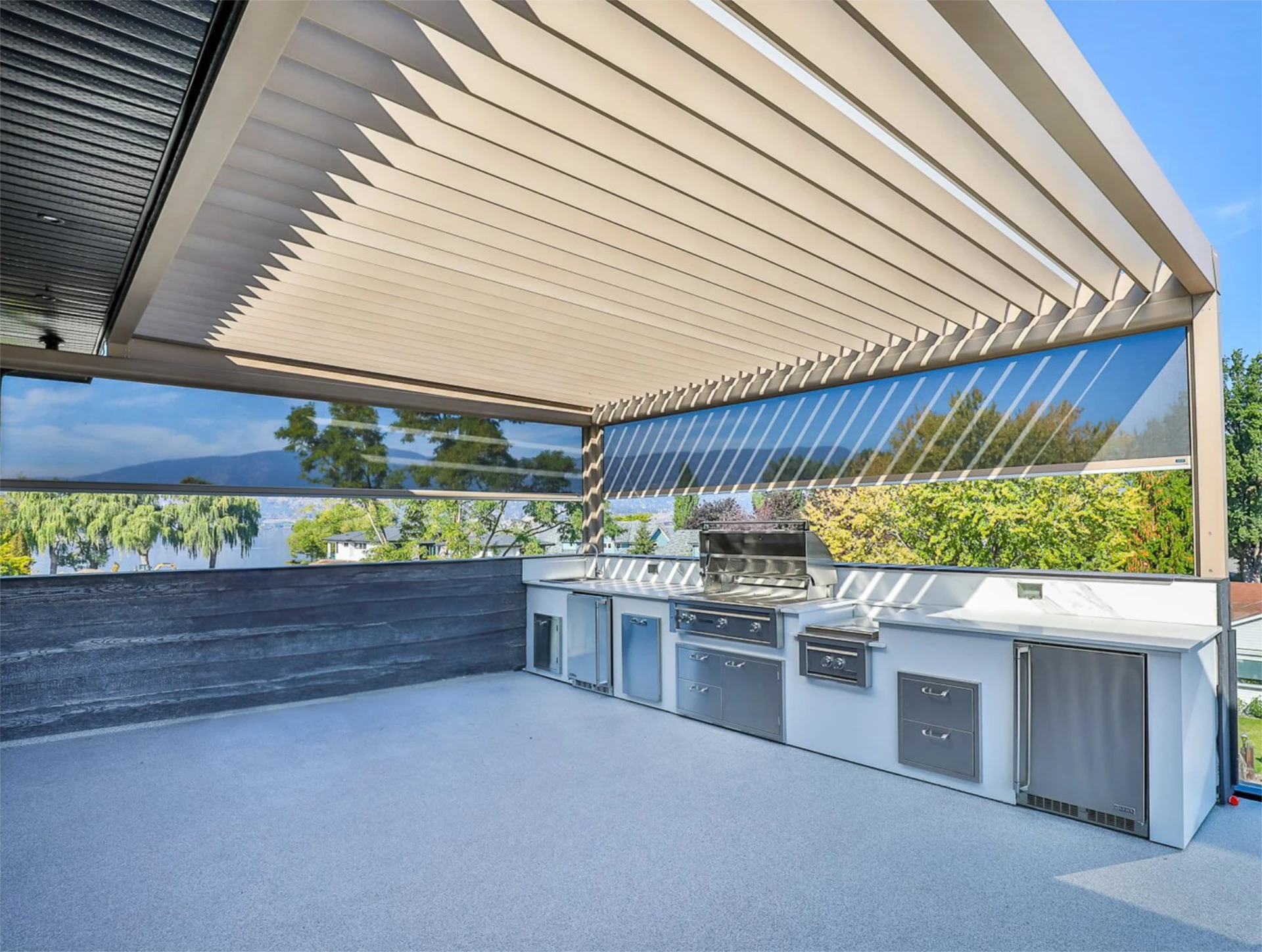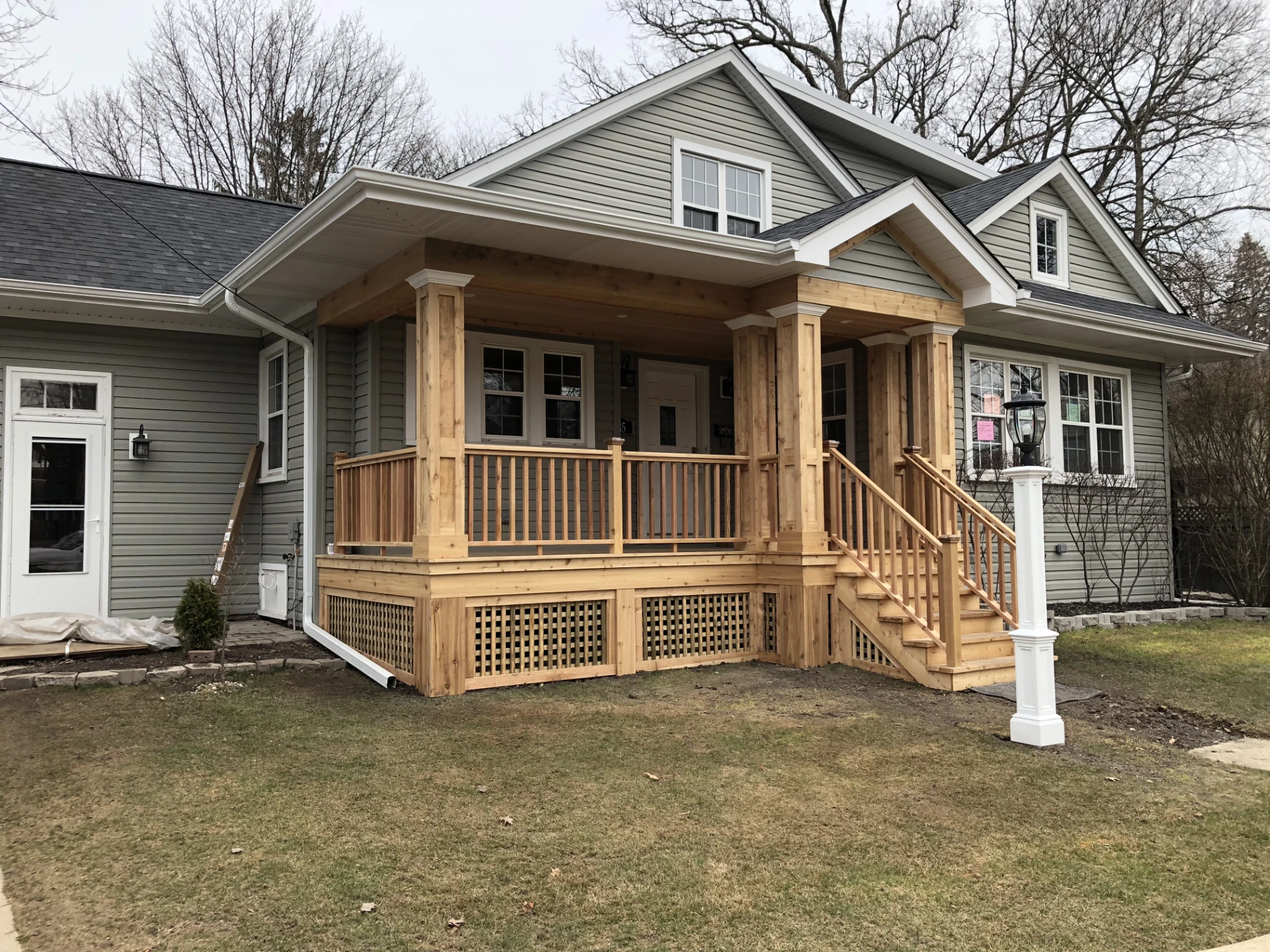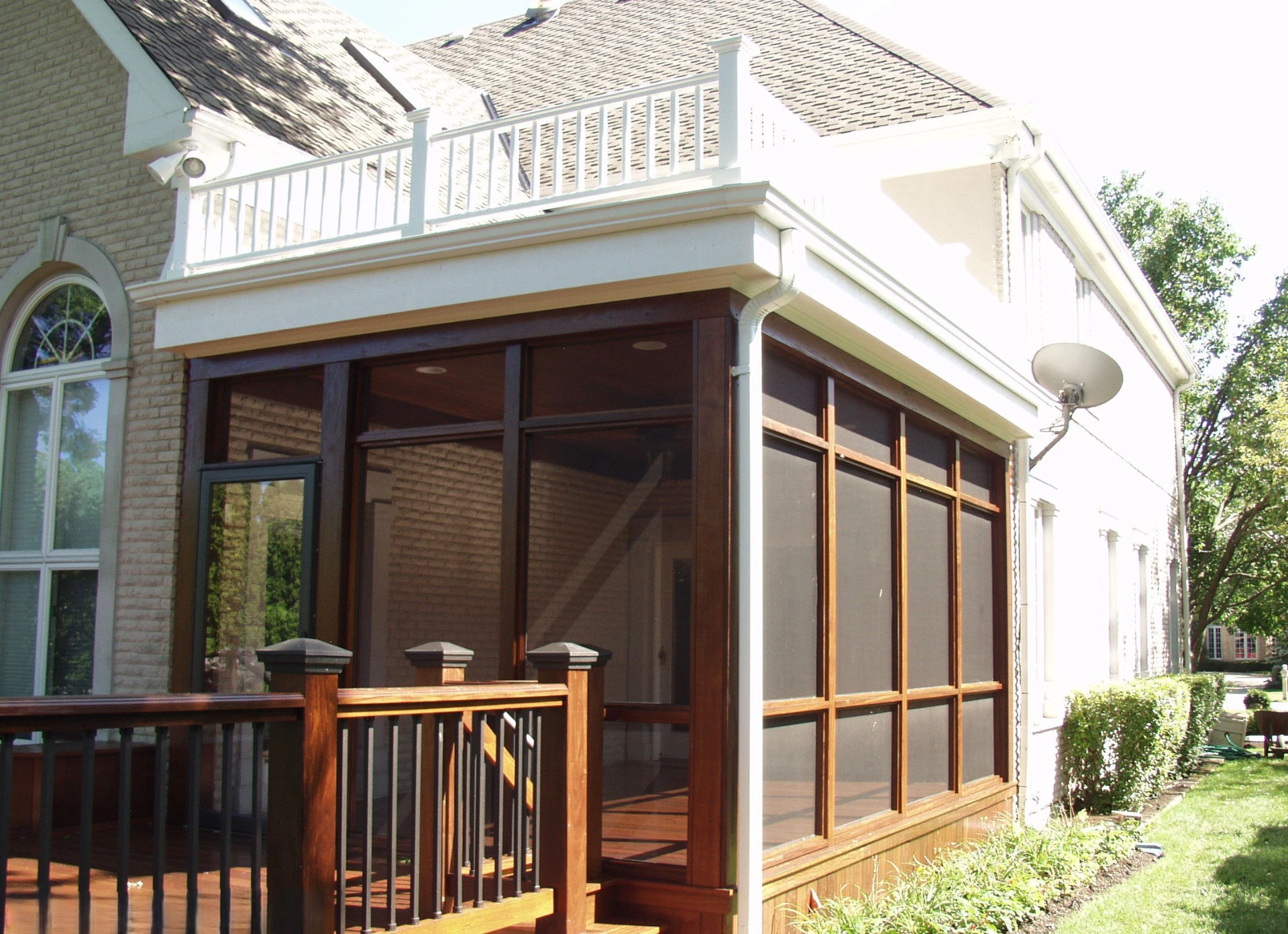


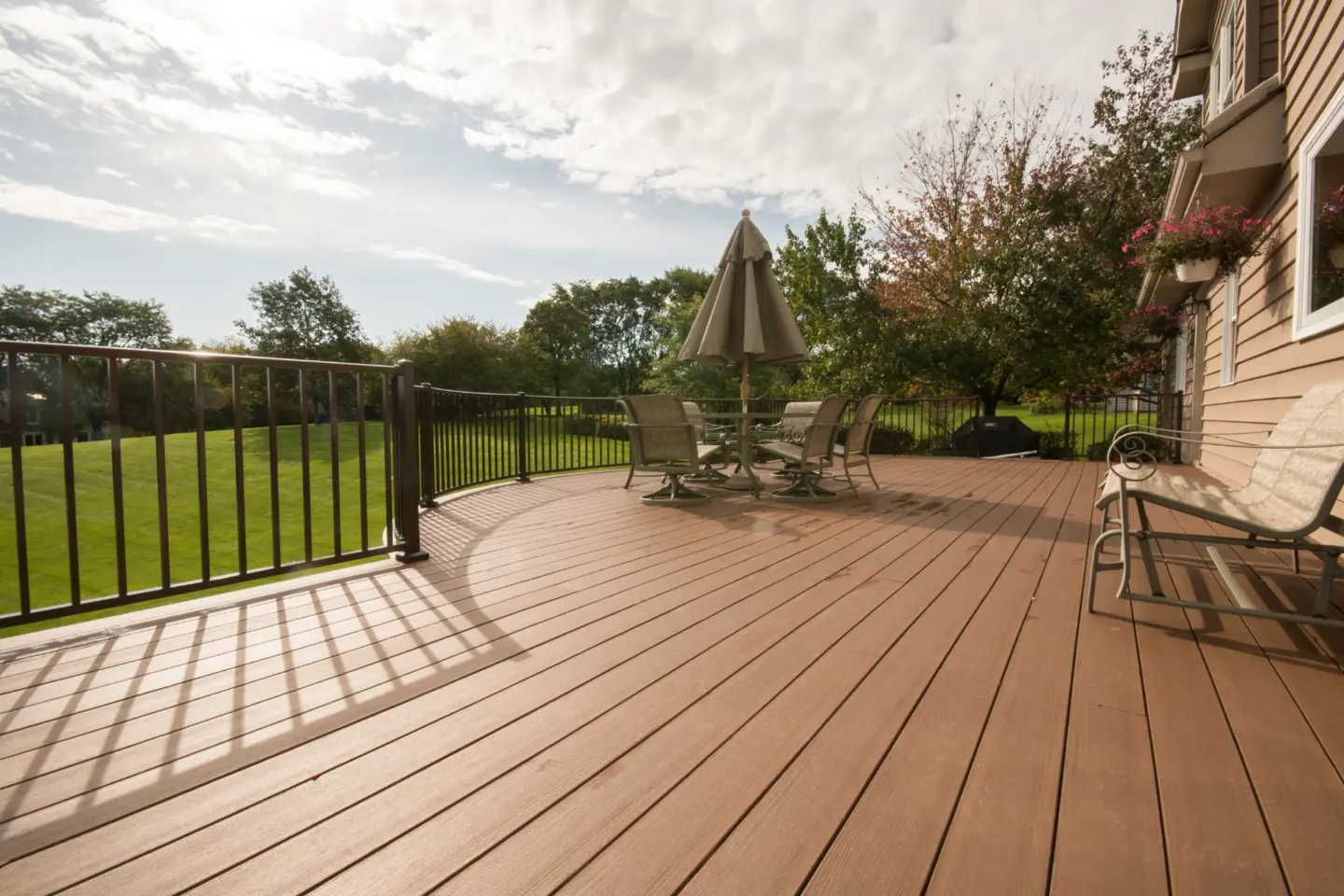
Deck railings affect both the appearance and function of an outdoor space. The right design can complement your deck, fit your home’s style, and provide a clear boundary around elevated areas. However, choosing a railing involves more than picking a color or material. Homeowners should consider the layout, material, visibility, and installation requirements before making a decision. Avoiding common deck railing design mistakes can help you create a finished space that looks consistent and meets your needs.
1. Choosing a Material Without Considering Your Needs
One common mistake is choosing a railing based on appearance alone. Wood, composite, glass, vinyl, aluminum, steel, cable, wrought iron, and PVC are among the available options. Each material has a different look, so consider how it will fit your deck and the style of your home.
Think about the maintenance each material requires. Wood offers a natural appearance but typically needs periodic staining or sealing. Aluminum and vinyl generally require less routine upkeep, while composite railing can provide a coordinated look alongside composite decking. Glass panels help preserve views but need regular cleaning to remove fingerprints, water spots, and dirt. Comparing these practical differences can help you choose a material that fits your preferences and maintenance expectations.
2. Overlooking the Deck’s Overall Design
A railing should complement the deck rather than look like a separate feature. Its color, shape, and material can affect how the entire outdoor space looks. A design that clashes with the decking or nearby features may make the finished area feel less coordinated.
Consider the deck as a whole before selecting a railing style. Look at the decking material, the home’s exterior, and any other outdoor features that will be visible nearby. A consistent design helps the railing feel like a natural part of the project instead of an afterthought.
3. Ignoring Views and Privacy
Your preferred level of visibility should guide the railing design. If you want to preserve views from an elevated deck, glass or cable railing may be worth considering. These styles offer a different look from more solid railing designs and can help maintain a more open feel.
Privacy may be just as important, depending on the location of your deck. Privacy screens and walls can provide more separation from nearby areas. Before choosing, think about whether your priority is an open view, added privacy, or a balance between the two. Planning for these needs early can help you avoid a design that does not suit how you use the space.
4. Focusing on Appearance and Forgetting Requirements
A railing needs to meet the requirements that apply to the project. Choosing a style before considering installation details can lead to changes later. Post placement, baluster spacing, rail height, and attachment points all need attention during planning.
Railing requirements can vary depending on the deck’s height, location, and applicable building codes. Proper post connections, railing height, and spacing between infill elements are important for safety, particularly on elevated decks. Before finalizing a design, confirm that the selected railing system can meet local requirements and the manufacturer’s installation specifications.
5. Forgetting About Everyday Usability
A railing should do more than complement the appearance of your deck. Consider how the design will affect everyday use, including where people gather, how easily you can see across the yard, and whether the top rail provides a comfortable place to rest your hands. Some railing profiles may also be easier to clean than others, particularly around decorative details and narrow openings.
Think about how the railing connects with stairs, gates, and other access points. A design that looks attractive in a product photo may not work as well with your deck’s layout. Reviewing these practical details before installation can help you choose a railing that suits how you use the space.
6. Overlooking the Available Brands
Brand options can matter when selecting a railing system. Available railing brands include Trex, TimberTech, Deckorators, Fiberon, Viewrail, Keylink, IG Railing, Westbury, Intex, Feeney, AFCO, Rail FX, and AZEK. Each project may call for different choices based on the selected material and design.
Rather than choosing a brand based on name alone, discuss which options fit your planned railing. Reviewing the available products can help you narrow the choices and make sure the selected system suits the overall design.
7. Treating Installation as an Afterthought
Even a well-chosen railing needs proper installation. Poor planning can affect how the posts, rails, and other components fit together. It is important to consider installation details during the design stage instead of waiting until the materials are ready.
Professional deck railing installation includes planning the layout and securing the railing components according to the applicable requirements. If you are replacing an existing system, discuss whether a full rerail or replacement of certain posts and balusters is the right approach. The work needed depends on the condition and design of the existing railing.
Plan Your Deck Railing Carefully
A successful railing design balances appearance, material choice, privacy, and installation needs. Taking time to review these details can help you avoid common mistakes and choose an option that fits your deck and home.
Contact Woodridge Deck & Gazebo Co. at +1 847 577 2722 to discuss deck railing options and plan a design for your outdoor space.