

If your deck or patio feels exposed to neighbors, street traffic, or nearby properties, a privacy screen changes the experience completely. It creates a defined, sheltered space where you can relax without feeling like you are on display.
But privacy screen installation is not just about picking a panel and screwing it in. A professional job involves site evaluation, material selection, structural integration, and finishing details that determine how well the screen performs and how long it lasts. Here is what the process actually includes.
Site Evaluation and Design Planning
Every professional privacy screen installation starts with a site visit. Your builder evaluates the deck or patio layout, checks sightlines from neighboring properties and the street, and identifies where screens will provide the most benefit.
Wind exposure matters too. In Northwest Suburban Chicago, wind can whip across open decks, especially during spring and fall. The placement and height of your screens affect how much wind gets blocked and how comfortable the space feels on breezy days.
During this phase, your builder also checks the existing structure to confirm it can support the added weight and wind load of the screens. If reinforcement is needed, it gets planned before construction begins.
Choosing the Right Screen Style
Professional privacy screen installation includes helping you select the style that fits your property and your goals. Several options are available, and each serves a slightly different purpose.
Screen Walls and Privacy Panels
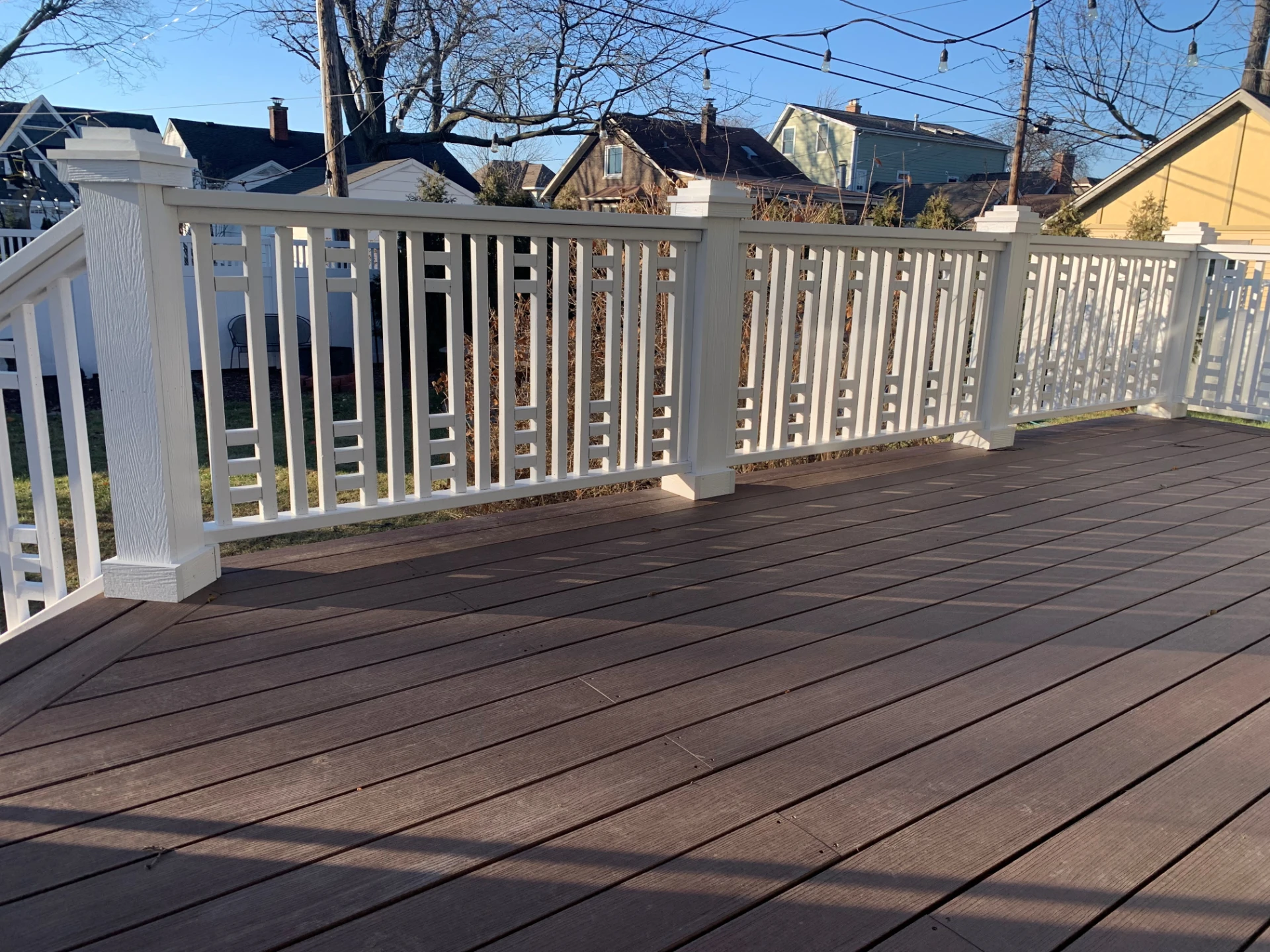
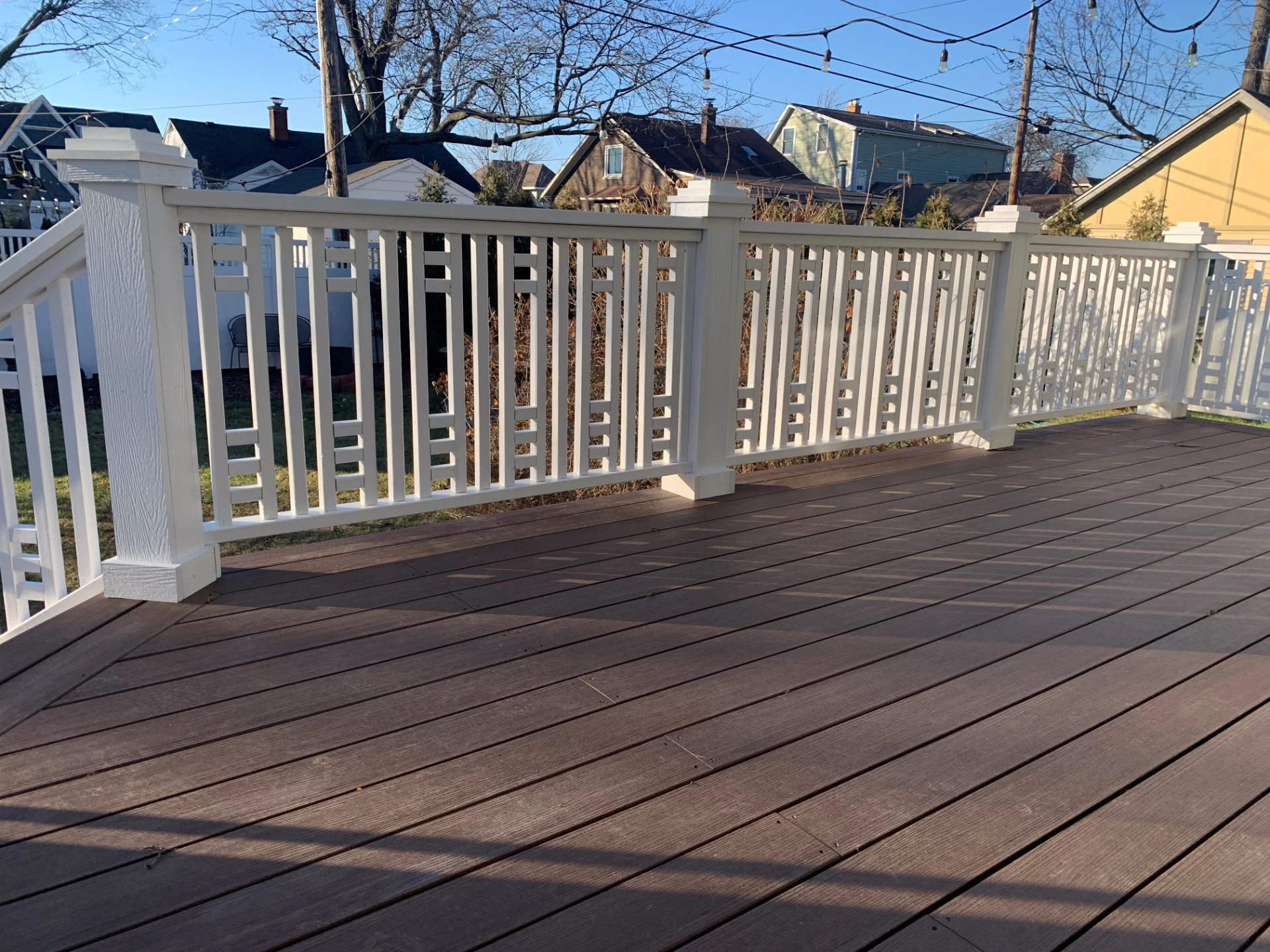
Screen walls and privacy panels provide a solid or semi-solid barrier that blocks views and reduces wind. They attach directly to the deck frame or railing system and create a clean, finished look.
Standalone Privacy Screens
Standalone privacy screens are self-supporting structures that do not attach to an existing railing or wall. They work well when you need coverage in a specific spot, like next to a hot tub, dining area, or seating zone, without screening the entire perimeter.
Fixed and Sliding Louvered Privacy Walls
Fixed louvered privacy walls offer permanent angled coverage that blocks views while allowing airflow. Sliding louvered privacy walls add flexibility by letting you open or close the louvers depending on conditions. Both options give your privacy screen installation a modern, polished appearance.
Selecting Materials That Handle Illinois Weather
The materials used in your privacy screen installation need to stand up to the full range of Chicago-area weather. Hot, humid summers, freezing winters, ice, snow load, and strong winds all take a toll on outdoor structures.
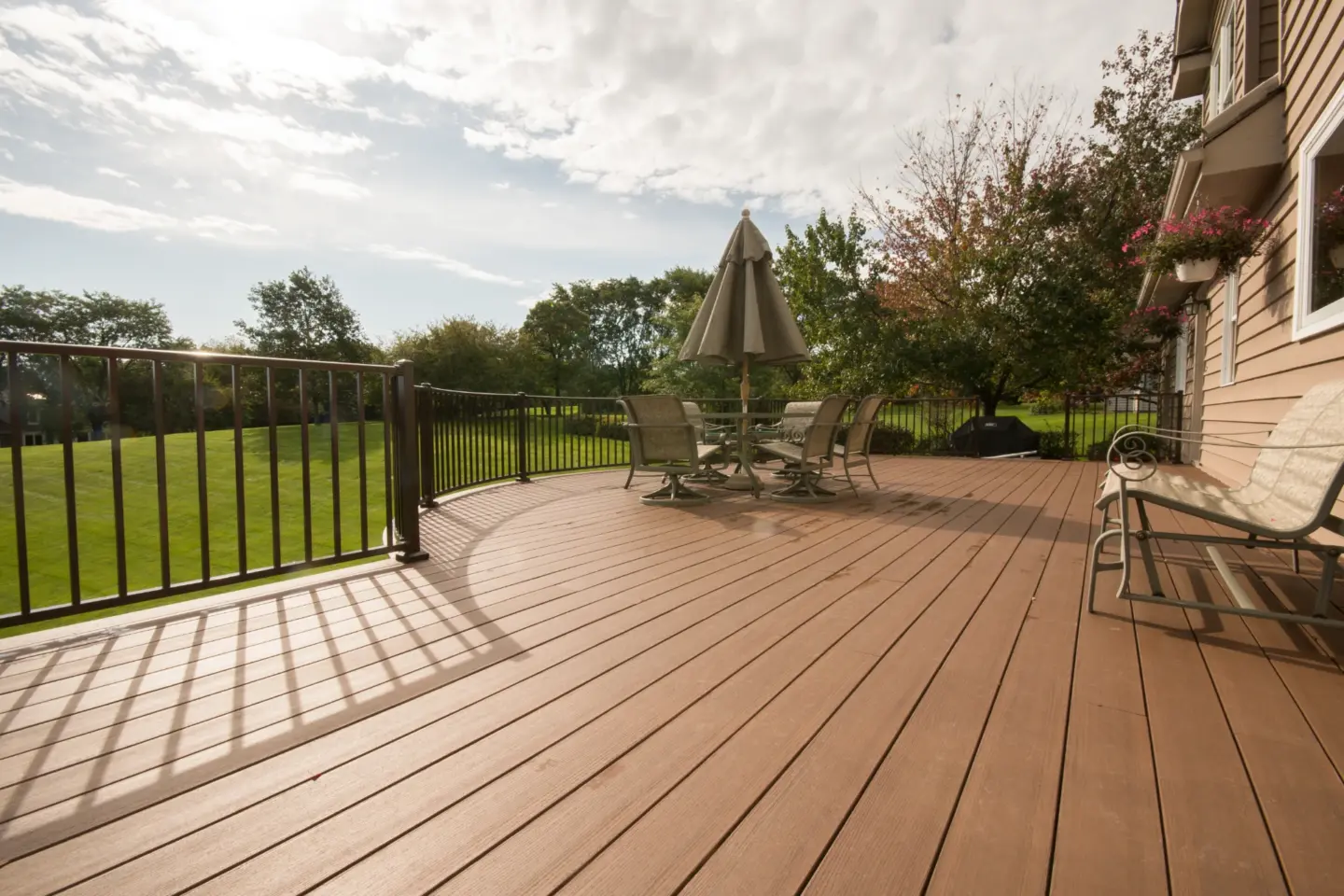
Common materials include aluminum, composite, PVC, vinyl, and cedar. Aluminum frames provide strong structural support with minimal maintenance. Composite and PVC resist moisture, warping, and fading without the upkeep that natural wood demands. Cedar offers a warm, natural look but requires periodic staining or sealing to maintain its appearance.
Owens Corning Lumber is another option available for privacy screen installation projects that require a durable, engineered material with strong weather resistance.
Your builder should recommend materials based on your deck’s existing finishes, your maintenance preferences, and the level of exposure the screens will face.
Structural Integration with Your Deck
A professional privacy screen installation ties the screens into the existing deck or patio structure so they look intentional and perform reliably. This means proper anchoring into the framing, correct fastener selection, and alignment with railings, posts, and other features.
Poorly attached screens wobble, rattle in the wind, and eventually pull loose. A professional installation avoids these problems by connecting the screens to load-bearing components and distributing the force of wind evenly across the structure.
If the privacy screen installation is part of a larger project that includes a new deck, pergola, or covered patio, the screens get integrated during the design phase so everything fits together seamlessly.
Permit Acquisition When Required
In many Northwest Suburban Chicago municipalities, privacy screen installation projects require a building permit if the screens exceed a certain height or attach to a permanent structure. Setback requirements and HOA rules may also apply.
A professional builder handles permit acquisition, knows the local codes, and makes sure the installation passes inspection.
3D Design and Visualization
For homeowners who want to see the finished result before construction begins, 3D design and rendering services show exactly how the privacy screen installation will look on your property. You can evaluate height, placement, material finishes, and how the screens interact with the rest of your outdoor space.
This step prevents surprises and ensures you are happy with the design before any work starts.
Final Finishing and Cleanup
A professional privacy screen installation ends with a clean, finished result. All hardware is hidden or minimized. Edges are trimmed. The screens are level, plumb, and secure. Your builder walks you through the finished work and addresses any final adjustments before the project closes.
Get Professional Privacy Screen Installation for Your Property
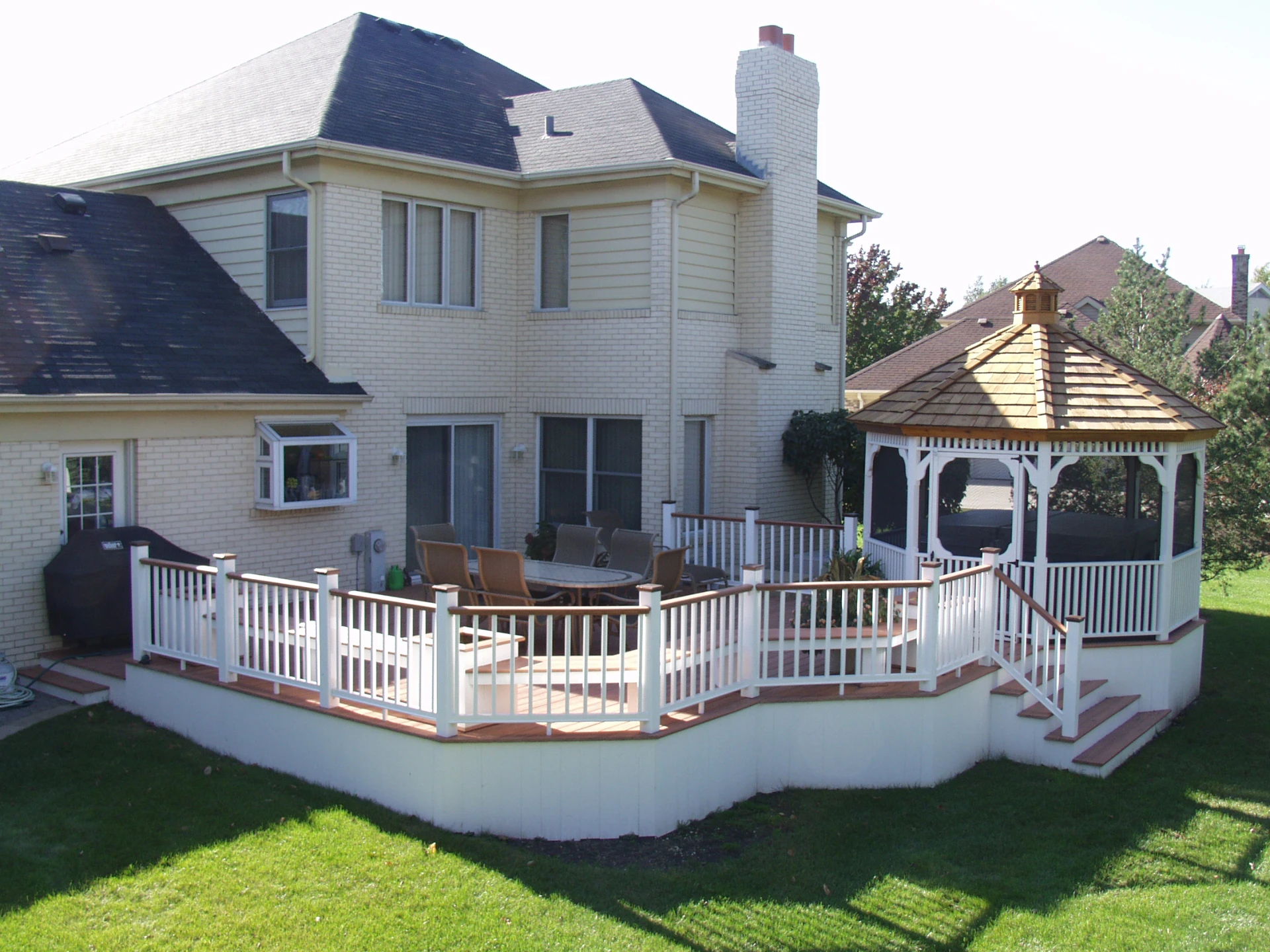
A well-built privacy screen transforms how you use your outdoor space. It adds seclusion, reduces wind, and creates a finished look that ties your deck or patio together. Woodridge Deck & Gazebo Co. provides professional privacy screen installation for homeowners across the North, Northwest, and West Suburbs of Chicago, backed by 29 years of experience and over 3,000 completed projects. Call +1 847 577 2722 to schedule a free estimate.